Challenging
Trekking
Kanchanjunga Trek
25 Days
Kanchenjunga Region
5,143m
Max 12 people
Quick Facts
Duration
25 Days
Difficulty
Challenging
Max Altitude
5,143m
Group Size
2-12
Trek Distance
N/A
Loading your adventure...
A modern, detailed view of the adventure
For those seeking one of the most remote and adventurous trekking experiences in Nepal, the Kanchenjunga Trek offers an unforgettable journey into the untouched eastern Himalayas. This trek takes you around Mount Kanchenjunga (8,586 m), the third-highest mountain in the world, through isolated valleys, dense forests, and high alpine landscapes. It is the perfect choice for trekkers who want to explore raw nature far from crowded routes.
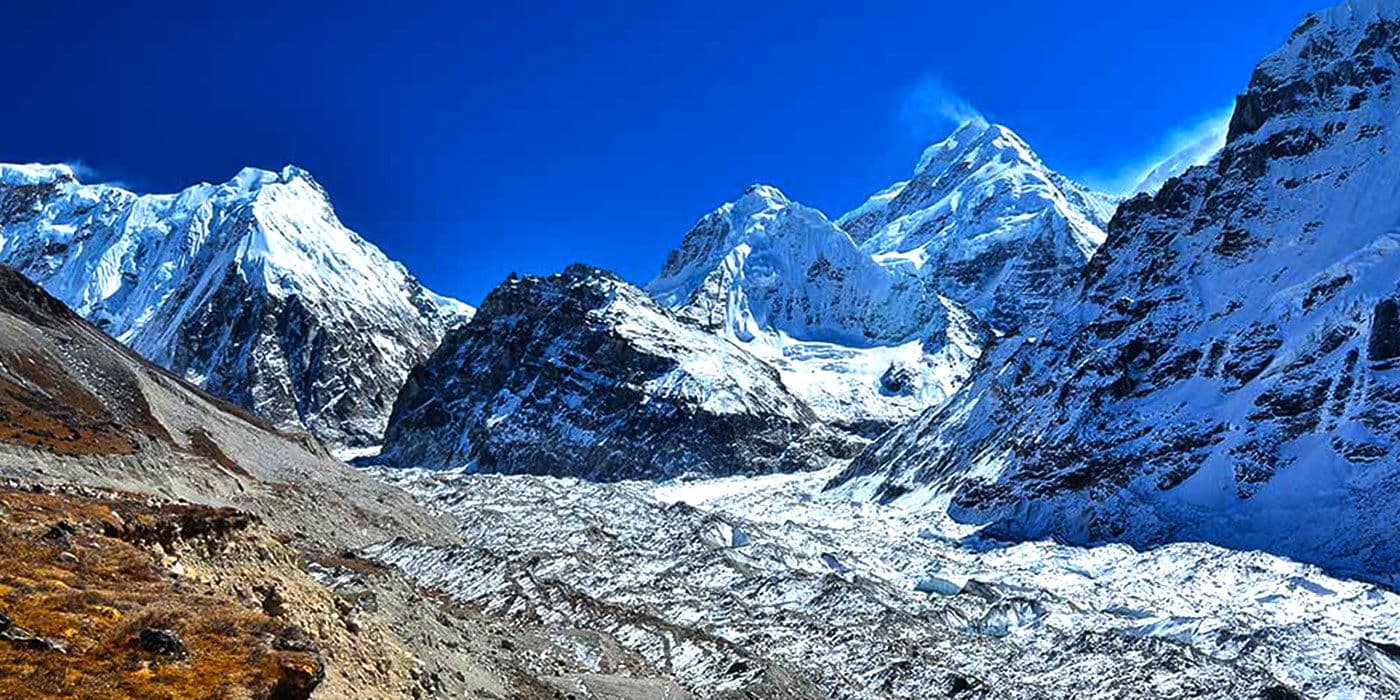
The journey passes through the Kanchenjunga Conservation Area, a protected region rich in biodiversity and natural beauty. Trekkers experience a wide variety of landscapes, from subtropical forests to glacial terrain. Along the way, you will encounter traditional villages of Rai, Limbu, and Tibetan communities, where ancient cultures and lifestyles are still preserved. The trek also includes visits to both North and South Base Camps, offering breathtaking views of the Kanchenjunga massif and surrounding Himalayan peaks.
The Kanchenjunga Trek is a challenging and long-duration trek that requires a high level of physical fitness and endurance. Trekkers typically walk 6 to 8 hours daily across rugged terrain, steep ascents, and remote trails. The trek reaches elevations above 5,000 meters, making proper acclimatization essential. Due to the remoteness and limited facilities, this trek is best suited for experienced trekkers who are prepared for basic accommodations and unpredictable weather conditions.
The North Base Camp, also known as Pang Pema, is one of the most rewarding highlights of the trek. Surrounded by massive Himalayan peaks and glaciers, it offers breathtaking close-up views of Mount Kanchenjunga. The dramatic scenery and peaceful environment make it a truly unforgettable destination.
The South Base Camp offers a different yet equally stunning perspective of the mountain. The route passes through alpine meadows and yak grazing fields before reaching this scenic viewpoint. It is less crowded and provides a peaceful trekking experience.
This conservation area is home to a wide range of flora and fauna. Trekkers may spot rare wildlife such as red pandas, Himalayan blue sheep, and even snow leopards. The diverse landscapes make every day of the trek unique and visually rewarding.
Accommodation along the Kanchenjunga route is basic, with tea houses available in some areas and camping required in more remote sections. Trekkers can enjoy simple Nepali meals like dal bhat, noodles, and soups. Despite limited facilities, the warmth and hospitality of local people enhance the overall experience.
The region is rich in cultural diversity, with Rai, Limbu, and Tibetan communities living in harmony. Their traditions, festivals, and daily lifestyles reflect a deep connection with nature and spirituality. Trekkers can explore monasteries and experience authentic Himalayan culture.
This trek offers a true wilderness experience, far from busy trekking routes. The long duration, isolation, and untouched landscapes create a sense of adventure that is rare to find in other regions of Nepal.
The Kanchenjunga Trek usually begins with a flight from Kathmandu to Bhadrapur, followed by a drive to Taplejung, the starting point of the trek. From there, the trail passes through forests, rivers, and high mountain villages before reaching both base camps. The full circuit trek typically takes around 18 to 25 days, depending on the itinerary and acclimatization. This trek is ideal for those seeking adventure, cultural richness, and a complete Himalayan wilderness experience.
Live forecast based on trek coordinates
In January, you can experience amazing views and less crowded trails, but it is the coldest month of the year. High altitudes often see daytime temperatures between -8°C and -12°C, while nights plummet dangerously low, often reaching -20°C to -30°C. Heavy snow is common, and high passes like Sele La are frequently blocked and inaccessible. Because of this, specialized winter gear like crampons is essential, and you must be prepared to camp as most high-altitude teahouses close for the season.
Signature experiences with visual stories
Highlights will be added soon.
Short overview first, then detailed day-by-day
| Day | Title | Distance | Walking Hours | Accommodation | Meals |
|---|---|---|---|---|---|
| Day 1 | Flight from Kathmandu to Bhadrapur,Drive to Taplejung | - | - | - | - |
| Day 2 | Trek from Taplejung to Mitlung | - | - | - | - |
| Day 3 | Trek from Mitlung to Chiruwa | - | - | - | - |
| Day 4 | Trek from Chiruwa to Sukethum | - | - | - | - |
| Day 5 | Trek from Sukethum to Amjilosa | - | - | - | - |
Everything covered in your package
Photos from this adventure
Gallery photos coming soon!
Everything you need to know about this trip
Fill out the form below and we'll get back to you within 24 hours
| Day 6 |
| Trek from Amjilosa to Gyabla |
| - |
| - |
| - |
| - |
| Day 7 | Trek from Gyabla to Ghunsa | - | - | - | - |
| Day 8 | Rest and Acclimatization at Ghunsa | - | - | - | - |
| Day 9 | Trek from Ghunsa to Khangpachen | - | - | - | - |
| Day 10 | Trek from Khangpachen to Lhonak | - | - | - | - |
| Day 11 | Trek from Lhonak to Kanchenjunga Base Camp | - | - | - | - |
| Day 12 | Return trek from Kanchenjunga Base Camp to Ghunsa | - | - | - | - |
| Day 13 | Trek from Ghunsa to High Camp | - | - | - | - |
| Day 14 | Trek from High Camp to Tseram | - | - | - | - |
| Day 15 | Trek from Tseram to Ramche | - | - | - | - |
| Day 16 | Trek from Ramche to Yalung Base Camp | - | - | - | - |
| Day 17 | Trek from Yalung Base Camp to Lapsang | - | - | - | - |
| Day 18 | Trek from Lapsang to Tortong | - | - | - | - |
| Day 19 | Trek from Tortong to Yamphudim | - | - | - | - |
| Day 20 | Rest day at Yamphudim | - | - | - | - |
| Day 21 | Trek from Yamphudim to Phumpe | - | - | - | - |
| Day 22 | Trek from Phumpe to Pha Khola | - | - | - | - |
| Day 23 | Trek from Pha Khola to Suketar | - | - | - | - |
| Day 24 | Drive from Suketar to Bhadrapur | - | - | - | - |
| Day 25 | Flight from Bhadrapur to Kathmandu | - | - | - | - |